Service directory
LONELY ROAD
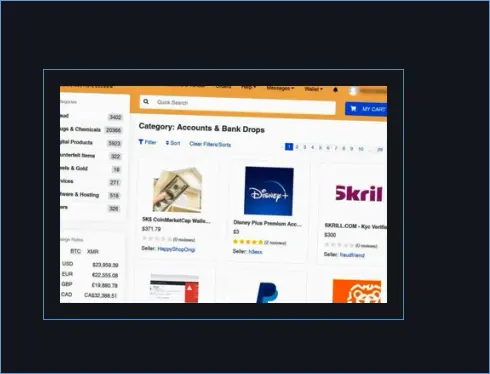
LONELY ROAD supports twelve languages and allows delivery to parcel lockers.

Nexus Market
Nexus Market is a darknet marketplace that uses multi-signature Bitcoin arrangements for transaction security.

OnionShare
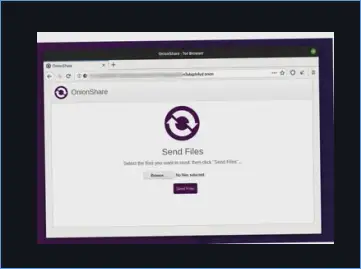
OnionShare is an open-source tool that runs a web server on your device, creating an unguessable .onion address for peer-to-peer file sharing through Tor Browser.

Professor Mariarti
Professor Mariarti is a private Telegram channel warning about darknet dangers and sharing money-making schemes and software.
Onion links are web addresses ending in .onion that work only through the Tor network (1). An onion address contains 56 letters and numbers followed by .onion (2). "Alfa" refers to verified, active .onion addresses—an informal term in Tor communities for curated lists of legitimate sites (3). To access them:
Download Tor Browser from the official Tor Project website
Paste the full .onion URL into the address bar
Connect only through Tor; standard browsers won't work
What Are Onion Links and .onion Addresses?
Onion links are web addresses that use the special-use top-level domain .onion instead of familiar domains like .com, .net, or .org (1). These addresses only work through the Tor network—you cannot open them in Chrome, Firefox, Safari, or any standard browser (1). The .onion domain exists outside the regular Domain Name System, so conventional DNS servers don't recognize or route to these addresses.
An onion address consists of exactly 56 letters and numbers followed by .onion (2). The address looks random because it's cryptographically generated from the service's public key, not chosen by a human operator (2). Here's what a typical .onion URL structure looks like:
3g2upl4pq6kufc4m5txi2alogfcwwxvlyqyj6xpqbvqkfqgxqnxdqmqd.onion
This address points to a real onion service. The 56-character string before .onion encodes cryptographic information that Tor uses to route your connection and verify the service's identity. You cannot decode this string into a readable name or predict what site it leads to without connecting through Tor Browser.
Why Onion Addresses Look Random
Onion service operators do not need to purchase domain names because onion addresses are cryptographically generated (2). When someone sets up an onion service, Tor software creates a public-private key pair. The .onion address derives directly from the public key through a hashing process. This means the address is mathematically tied to the service's cryptographic identity, making it nearly impossible to forge or hijack.
For a broader overview of how these addresses fit into Tor's hidden service ecosystem, see our guide on Dark Web Links Onion: What They Are and How They Work.
What Does 'Onion Links Alfa' Mean in Tor Communities?
The term "alfa" in "onion links alfa" refers to verified, active, and legitimate .onion addresses—it's informal terminology used in Tor communities rather than an official designation (3). You won't find "alfa" in Tor Project documentation or technical specifications. Instead, it's community shorthand for curated lists that claim to filter out dead links, scams, and honeypot sites.
Users searching for "alfa" links typically want working onion addresses without manually testing dozens of dead URLs. Standard onion directories often contain outdated entries because services shut down, operators abandon sites, or law enforcement seizes illegal marketplaces. An "alfa" list promises pre-verified addresses that loaded successfully when the curator last checked.
Why This Terminology Exists
Onion service addresses are cryptographically generated and don't require domain registration (2). This means anyone can create a .onion site, publish its address, and disappear without notice. No central authority maintains a registry of active services or removes defunct entries. Community members started using labels like "alfa," "verified," or "active" to distinguish tested links from unfiltered dumps scraped from forums or outdated wikis.
However, "alfa" carries no standardized meaning across different sources. One curator might verify addresses daily, while another copies a months-old list and adds the "alfa" label for credibility. The term signals intent—a claim that someone checked these links—but it doesn't guarantee current uptime, safety, or legitimacy.
What to Expect from 'Alfa' Lists
When you encounter an "alfa" onion links collection, you're looking at someone's subjective curation. The list might include search engines like Ahmia or Torch, directories like Daniel's Onion Link List, or category-specific services. Some curators add brief descriptions or last-verified dates; others provide raw .onion addresses without context.
Before using any "alfa" list, check when it was published or updated. Cross-reference addresses in multiple directories to confirm they appear in more than one source. Test links in Tor Browser first, and never enter credentials or payment information on a site you haven't independently verified. For broader guidance on evaluating onion directories, see our overview of Onion Sites Link Directories and Catalogues.
The "alfa" label helps you start with a filtered set of addresses, but it doesn't replace your own verification. Treat it as a convenience filter, not a security guarantee.
How Onion Services Work: Technical Overview
Onion services route connections through multiple layers of encryption and relay nodes, which is why they function differently from regular websites. When you visit a .onion address, your connection never goes directly to the host server. Instead, both you and the service build separate encrypted circuits through the Tor network, and these circuits meet at a third relay point that neither party controls.
How Services Prepare to Accept Connections
A hidden service host prepares to offer a hidden service by choosing several Tor nodes to serve as its introduction points and builds circuits to those nodes to forward introduction requests (4). These introduction points act as public meeting spots where clients can signal that they want to connect. The service maintains persistent circuits to these nodes so it can receive connection requests without revealing its real IP address.
Hidden service hosts build documents called hidden service descriptors that list the service's current introduction points and upload them to a set of HSDir nodes (4). HSDir nodes are specialized Tor relays that store these descriptors temporarily. When you type a .onion address into Tor Browser, your client retrieves the descriptor from HSDir nodes to learn which introduction points the service is currently using. The descriptor contains cryptographic signatures that prove it came from the legitimate service operator, preventing attackers from publishing fake descriptors.
How Clients Establish Connections
When a client wants to connect to a hidden service, it first chooses a Tor node at random to be its rendezvous point and builds a circuit to that rendezvous point (4). This happens automatically when you press Enter after pasting a .onion address. Your Tor Browser picks a relay that will serve as the meeting location for your circuit and the service's circuit. You build a three-hop encrypted circuit to this rendezvous point before contacting the service.
Your client then sends a message through the introduction point telling the service where to meet you. The service builds its own three-hop circuit to your chosen rendezvous point. Once both circuits reach the rendezvous point, the connection is established. The rendezvous point relays end-to-end encrypted messages from client to service and vice versa after the connection is established (5). The rendezvous point cannot read the content of these messages because they're encrypted with keys only you and the service possess.
Why This Matters for Users
This multi-step process explains why onion services often take longer to load than regular websites. Your browser must retrieve the descriptor, build a circuit to the rendezvous point, wait for the service to build its circuit, and only then begin transferring actual page data. Each step adds latency because messages travel through multiple relays. However, this complexity protects both parties: the service doesn't learn your IP address, and you don't learn the service's IP address. The rendezvous point sees two encrypted circuits meeting but cannot identify either endpoint.
If a .onion address fails to load, the problem might occur at any stage: the service might be offline, HSDir nodes might not have the current descriptor, or network congestion might prevent circuit construction. For troubleshooting common connection problems, see our guide on Onion Links Not Loading: Why and How to Fix It.
How to Access Onion Links: Step-by-Step Guide
Accessing .onion addresses requires Tor Browser because onion services use the special-use top-level domain .onion and are only accessible through the Tor network (1). You cannot open these addresses in Chrome, Firefox, Safari, or any standard browser (1). The .onion domain exists outside the regular Domain Name System, so conventional DNS servers don't recognize or route to these addresses.
Follow these steps to access onion links safely:
Download Tor Browser from the Official Source
Visit torproject.org and download Tor Browser for your operating system. Third-party download sites may distribute modified versions with malware or surveillance code. The official Tor Project website provides verified installers for Windows, macOS, Linux, and Android. Install the browser following the on-screen instructions, then launch it.
Connect to the Tor Network
Open Tor Browser and click "Connect" on the startup screen. The browser builds an encrypted circuit through Tor relays before you can browse. This connection process typically takes a few seconds. Once connected, you'll see the Tor Browser home page with a confirmation message.
Paste the .onion Address into the Address Bar
An onion address consists of 56 letters and numbers followed by .onion (2). Copy the full address, including the .onion suffix, and paste it into the Tor Browser address bar. Press Enter. The address will look random because it's cryptographically generated from the service's public key (2).
For example, a valid .onion address structure looks like this:
exampleabcdefghijklmnopqrstuvwxyz1234567890abcdefghijk.onion
Do not try to type these addresses manually—one wrong character will prevent the connection. Always copy and paste from a trusted source.
Wait for the Connection to Establish
Tor Browser retrieves the service's descriptor from the network, builds a circuit to a rendezvous point, and waits for the service to complete its own circuit (4). This multi-step process takes longer than loading a regular website. If the address is valid and the service is online, the page will load in Tor Browser. If the connection fails, the service may be offline or the address may be incorrect.
Why .onion Addresses Only Work in Tor Browser
Onion services route connections through multiple encrypted relay nodes rather than connecting directly to a server. Your Tor Browser builds a circuit to a randomly chosen rendezvous point, and the service builds its own circuit to the same point (4). The rendezvous point relays end-to-end encrypted messages between you and the service (5). Standard browsers cannot perform these operations because they don't implement Tor's routing protocol.
If you paste a .onion address into Chrome or Firefox, you'll see a DNS error or "server not found" message. The browser tries to resolve the address through regular DNS servers, which have no record of .onion domains. Only Tor Browser includes the necessary protocol support to connect to onion services.
For troubleshooting connection problems when .onion addresses fail to load in Tor Browser, see our guide on Onion Links Not Loading: Why and How to Fix It.
Onion Index Verification Checklist: Cross-Check Any 'Alfa' List Against Trusted Sources
| Index Name | Access Method | Cross-Check Step | What to Verify | Action Before Use |
|---|---|---|---|---|
| Daniel's List | Tor-only | Verify address format | 56 characters plus .onion suffix | Reject addresses with wrong length |
| Cross-Check Summary | Use Tor Browser only | Never trust clearnet mirrors for sensitive access | Verify each address independently | Re-test bookmarked addresses periodically |
Q&A
- Are onion links legal?
- How to access .onion links?
Download Tor Browser from the official Tor Project website at torproject.org, install it, and click "Connect" to join the Tor network. Once connected, paste the complete .onion address (56 characters plus .onion) into the address bar and press Enter (1) (2). Regular browsers like Chrome or Firefox cannot open .onion addresses because these addresses only work through the Tor network (1).
- What does a .onion address look like?
A valid onion address consists of exactly 56 letters and numbers followed by .onion (2). These addresses are cryptographically generated, so they look random—for example, "exampleabcdefghijklmnopqrstuvwxyz1234567890abcdefghijk.onion" (2). Operators don't purchase these domain names; the address derives from the service's public key (2).
- Why do dark web links change frequently?
Onion service operators shut down sites voluntarily, law enforcement seizes illegal services, or hosting issues cause disappearances without notice. Unlike regular websites with purchased domain names, onion addresses are cryptographically generated and tied to specific server keys (2). When operators change servers or keys for security reasons, the .onion address changes completely, and old links stop working.
- Can you open dark web links in Google Chrome?
No, you cannot open .onion links in Google Chrome or any standard browser. Onion addresses use a special-use top-level domain that only works through the Tor network (1). Chrome and other browsers don't route traffic through Tor, so they return DNS errors when you try to access .onion addresses. You must use Tor Browser to reach any .onion site (1).
- How to find onion sites?
Use onion search engines like Ahmia or directories like Daniel's Onion Link List, both accessible through Tor Browser. These indexes catalog working .onion addresses across categories, though many links go offline frequently. Community forums and verified "alfa" lists also share current addresses, but always cross-check addresses in multiple sources before visiting to avoid scams or dead links.
- Is it illegal to visit Tor Browser?
No, downloading and using Tor Browser is legal in the United States and most countries worldwide. The Tor Project is a legitimate nonprofit organization, and Tor Browser is open-source software designed for privacy. However, some countries with restrictive internet policies block Tor network access or monitor users who attempt to connect, so check local regulations if you're outside the U.S.
Key Takeaways
Onion links use the .onion domain and work only through Tor Browser—regular browsers cannot open these addresses because they don't route through the Tor network (1).
A valid .onion address is exactly 56 characters plus .onion—these addresses are cryptographically generated from the service's public key, not purchased (2).
'Alfa' refers to verified, active onion addresses in Tor communities—it's informal terminology for curated lists of working .onion sites, not an official designation (3).
Cross-check addresses in multiple directories before visiting—single-source lists often contain outdated links or scams, so verify each address independently.
Download Tor Browser only from the official Tor Project website—third-party sources may distribute modified versions with malware or surveillance code.
Start by installing Tor Browser from torproject.org and testing a few addresses from verified directories to understand how onion services load and behave. For regularly updated collections of working .onion addresses across categories, see our guide on Free Onion Sites Lists.